3517
How to Reduce Swelling After a Hair Transplant: Proven Methods
작성일
수정일
조회수
2190
Swelling is one of the most common side effects following a hair transplant, whether FUE or FUT. It typically starts within the first couple of days and peaks around days 3–4, gradually subsiding within a week. While uncomfortable, swelling is usually harmless and can be effectively managed with proven techniques. This comprehensive guide covers everything from why swelling occurs to day‑by‑day timelines, at‑home remedies, and preventive strategies for future procedures.
Why Swelling Happens After Hair Transplant – And How to Reduce It Fast
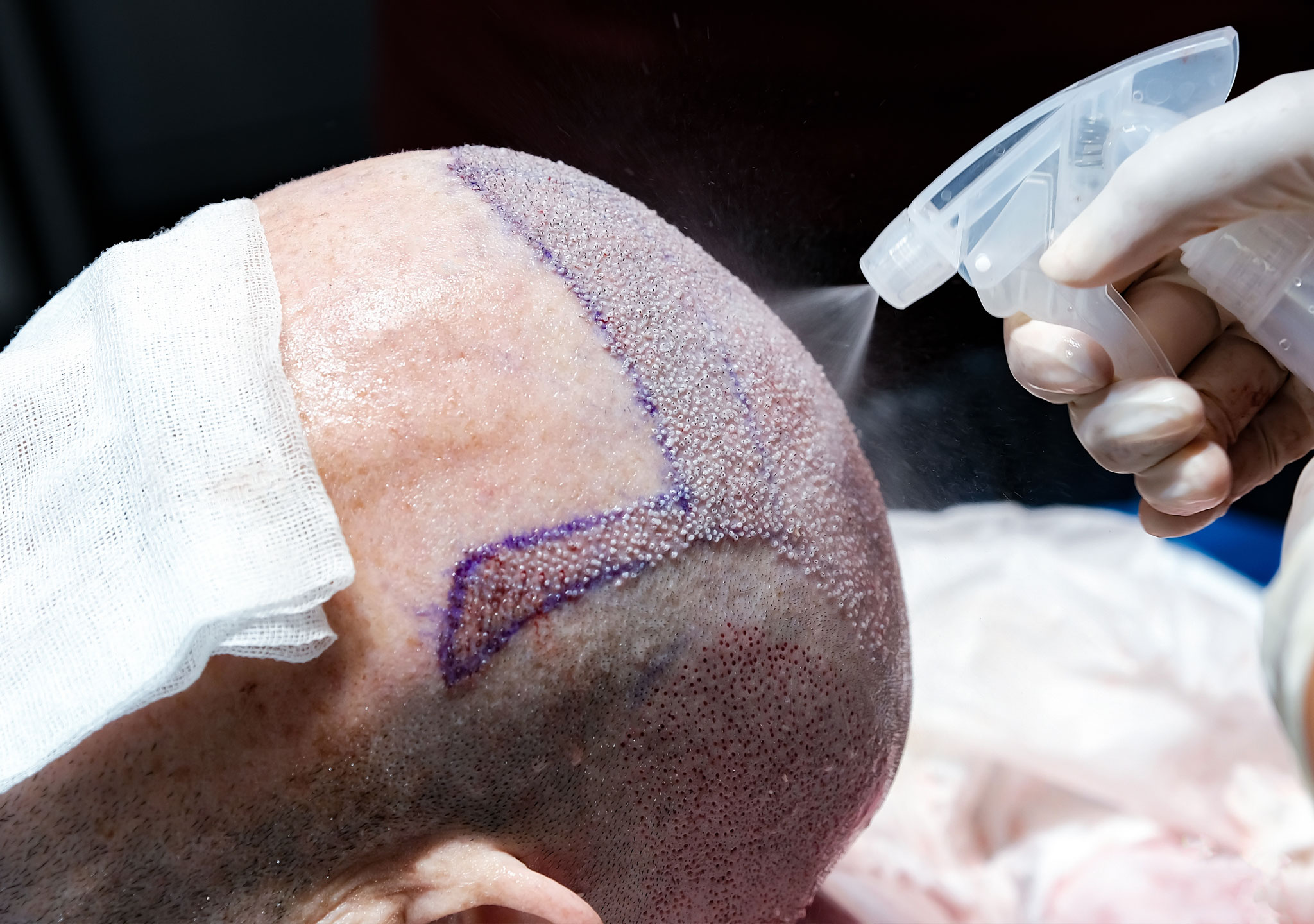
Swelling—or postoperative edema—is a normal part of the healing process. It’s triggered by several key factors:
- Anesthetic fluid infiltration and surgical trauma: The tumescent solution (local anesthesia, saline) used during transplantation often migrates downward due to gravity, leading to fluid buildup in the forehead, eyelids, and cheeks.
- Inflammatory response: The body reacts to the micro‑incisions and graft placement with inflammation, increasing vascular permeability and fluid retention.
To reduce swelling quickly and safely
- Cold therapy: Apply cold compresses to the forehead (not directly on the grafts) for 10–15 minutes every hour during the first 48 hours. This constricts blood vessels and limits fluid accumulation.
- Head elevation: Use pillows to elevate your head (ideally above 30°) during rest or sleep—gravity helps prevent fluid buildup.
- Gentle lymph‑friendly massage: Light massage from the center of the forehead outward can assist lymphatic drainage. Massage should be very gentle, especially around the eyes.
These methods form a solid foundation of post‑op edema control and significantly enhance comfort and recovery.
Day‑by‑Day Swelling Timeline After FUE: What’s Normal vs Warning Signs
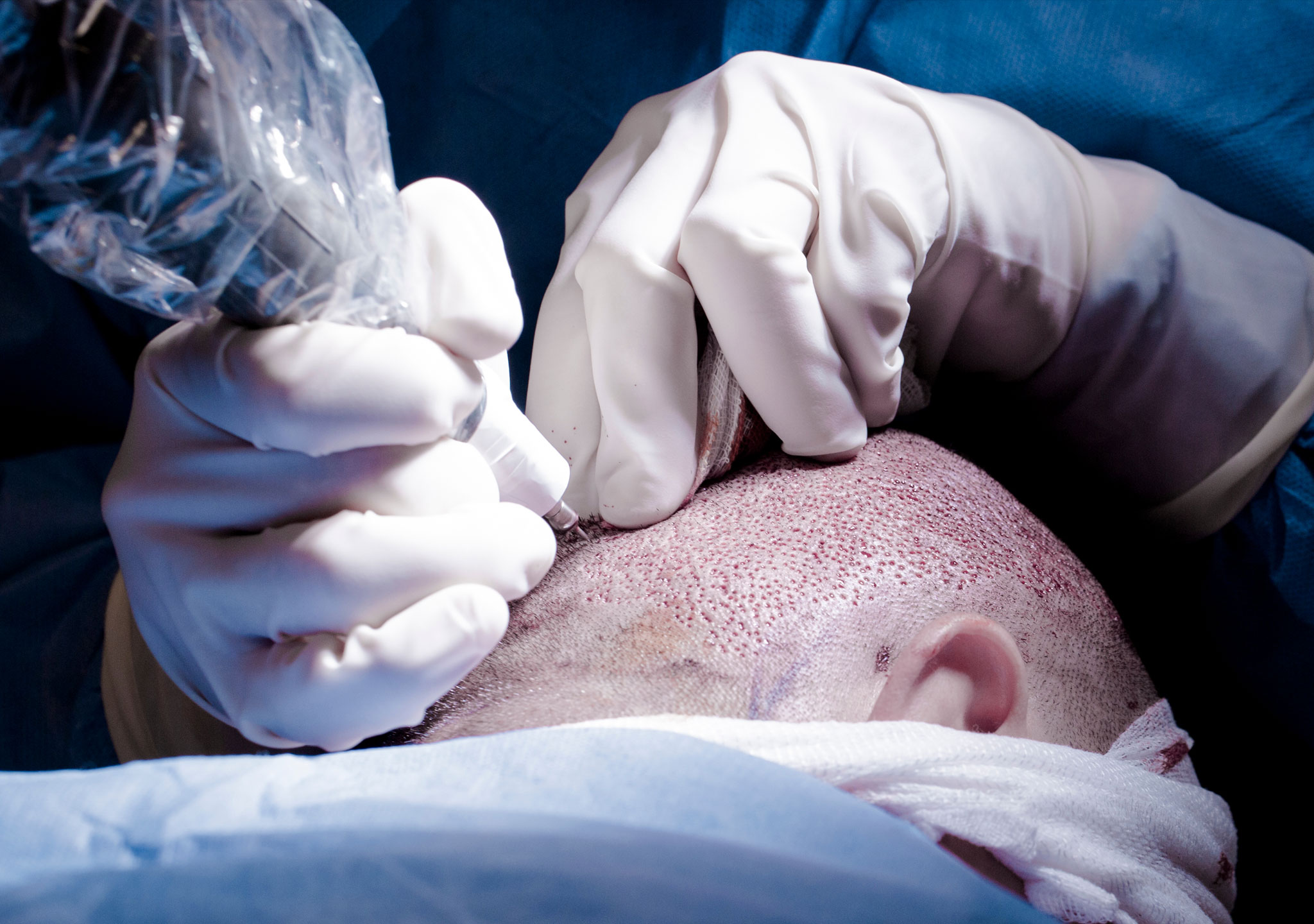
Swelling typically begins 24–48 hours post-op, peaks around days 3–4, and generally resolves within a week. Minor residual puffiness can continue into day 10.
Typical Swelling Timeline
- Day 0–1: Minimal or no swelling
- Day 2–4: Peak swelling (usually forehead and eyelids)
- Day 5–7: Swelling decreases gradually
- Day 7–10: Swelling usually resolves completely
When to Be Concerned
In most cases, swelling subsides naturally within 7 to 10 days following a hair transplant. However, if swelling continues beyond 10 to 14 days, it may indicate potential complications such as infection, hematoma, or lymphatic issues. At this point, it is highly recommended to consult your surgeon or a medical professional to rule out any underlying concerns.
Additionally, be alert for any asymmetrical or severe swelling, especially if it is accompanied by redness, localized heat, visible discharge, or pain. These may be signs of infection or improper healing and should not be ignored. Prompt medical attention in such cases can prevent the situation from worsening and protect the outcome of your transplant.
Best At‑Home Remedies to Control Hair Transplant Swelling
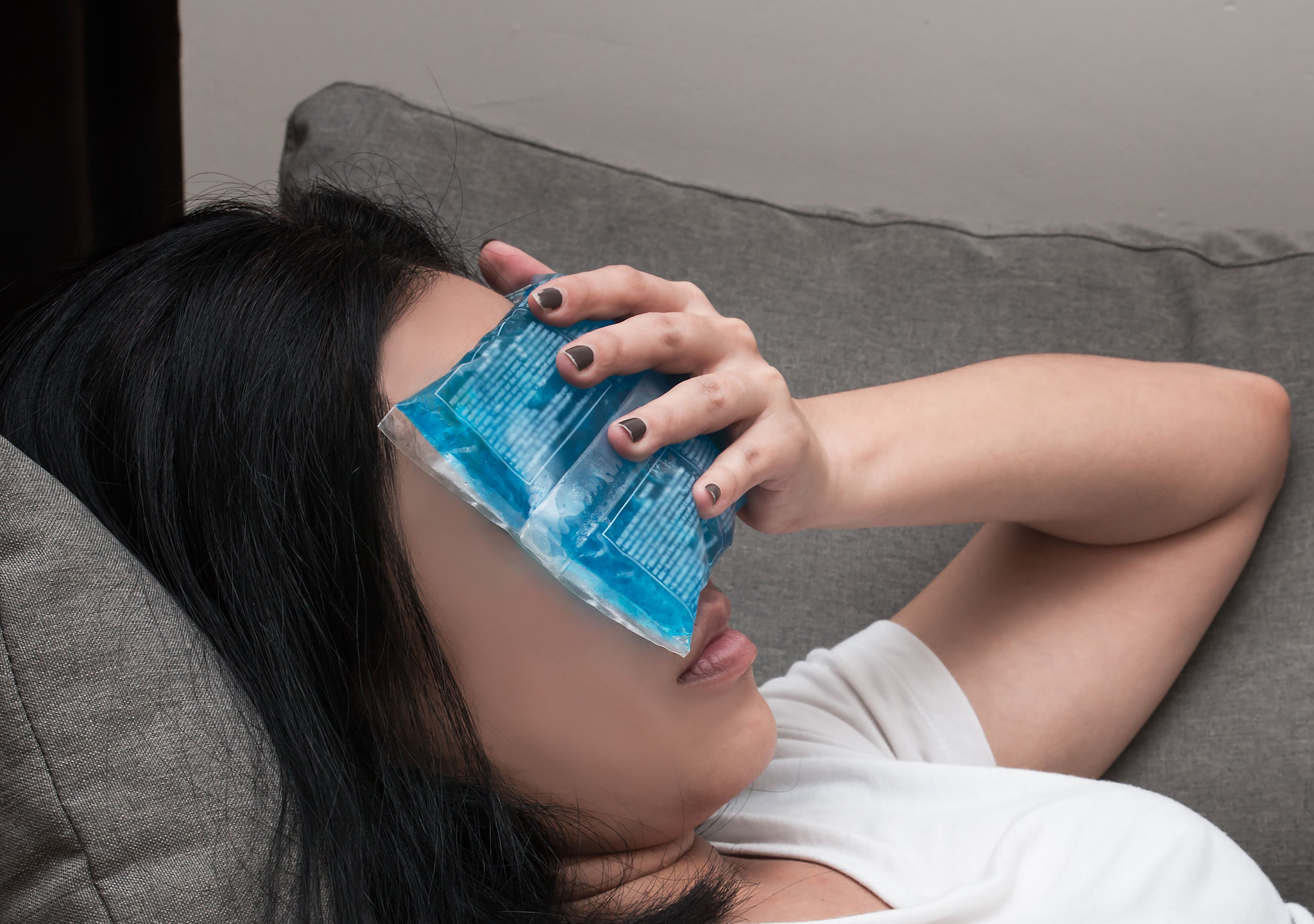
At-home interventions can play a significant role when properly timed and applied. Beyond immediate relief, consistent self-care can help reduce discomfort and support the overall healing process. Patients who follow a gentle, non-invasive approach often report a smoother recovery experience. These methods work best when used in combination with professional aftercare instructions.
Effective Strategies
- Cold compress therapy: This remains the most effective and accessible intervention in the first 2–3 days.
- Elevated positioning: Sleeping upright for the first 3–5 days helps reduce facial swelling significantly.
- Hydration and nutrition: Staying well-hydrated and consuming vitamin C, E, and protein aids tissue healing and fluid regulation.
Optional Supports
- Gentle facial lymphatic massage: Techniques like tapping or using cold tools (guasha, microcurrent) can support fluid drainage—if performed gently and without disturbing grafts.
- Medication (if prescribed): Some clinics may recommend corticosteroids or NSAIDs to reduce inflammation—only take these under medical guidance.
These optional supports are not required for every patient, but they can complement basic aftercare when used responsibly. Always consult your clinic before adding any new technique or product to your recovery routine. Individual results may vary, so monitoring your body's response is key.
Swelling Prevention Tips for Your Next Hair Transplant Procedure

Thinking ahead can help minimize swelling outcomes in future procedures.
- Select a skilled surgeon: Experienced clinics reduce surgical trauma, decreasing inflammatory response and fluid buildup.
- Plan for head elevation: Arrange pillows or a recliner ahead of time for comfortable post-op position control.
- Post‑surgery fluid management: Ask about cold compresses and steroid protocols as part of your aftercare plan.
- Monitor closely: Take regular photos to track swelling progress and communicate changes to your surgeon.
Final Thoughts on Reducing Post-Transplant Swelling
Swelling after hair transplant surgery is both expected and usually benign, but its timing and intensity can vary. Armed with the knowledge of swelling timelines, effective at-home remedies including cold therapy, elevation, and lymphatic techniques, you can protect your grafts and ensure a smoother recovery. Always follow your surgeon’s instructions and reach out early if you notice any troubling signs.